• More Than Måneskin: Italian Music to Listen to Right Now

    More Than Måneskin: Italian Music to Listen to Right Now

    2021 was Italy’s year. In addition to winning the coveted Euro Cup football tournament and lots of other small arts, entertainment, and sports competitions, Italy won the Eurovision song contest thanks to Roman rock band Måneskin.

    Following Måneskin’s win, the group went on to be the darlings of contemporary Italian music. They opened for the Rolling Stones in Las Vegas and were the musical guest on Saturday Night Live. Måneskin mania took over Instagram and Twitter, with fans sharing photos of the band in their glammy costumes. Frontman Damiano David, with his eye makeup and prominent chest tattoos, has become particularly popular with the paparazzi.

    Måneskin won the 2021 Eurovision Song Contest with the Italian-language song Zitti e Buoni, a harder-rocking track than the usual fluffy fare of Eurovision. But they have had even more success on the world stage thanks to their English-language songs. These include I Wanna Be Your Slave, which reached the top 5 of the UK Singles charts, and their cover of Beggin’, originally sung by Italian-American group Frankie Valli and the Four Seasons in 1967.

    Måneskin’s success, however widespread, has yet to translate into international success for other Italian musical artists. Which is a shame! Because there are so many Italian artists and bands that deserve a listen.

    Italy’s musical talent will be in the spotlight again in 2022 when the country hosts Eurovision 2022 in Turin. Here are some to keep your ear on, whether you plan to follow Eurovision or just want something new for your playlist.

    Mahmood & BLANCO

    Representing Italy in the Eurovision Song Contest in 2022 is the duo of Mahmood and BLANCO, who won the Sanremo Music Festival. Mahmood actually represented Italy at Eurovision 2019 with his song Soldi, finishing second and scoring a hit throughout Europe. The half-Egyptian, half-Sardinian Mahmood is also known for his Arabic/northern Africa-influenced sound on songs like Barrio and Ghettolimpo.

    In 2022, Mahmood has teamed up with young hitmaker and fellow Lombard BLANCO to sing the ballad Brividi (Chills). It’s a catchy song. But in my opinion, it’s nowhere as good as some of BLANCO’s other hits, including Sai Cosa C’é and La Canzone Nostra.

    La Canzone Nostra, released by producer Mace and also featuring rapper Salmo, topped the Italian FIMI charts for seven weeks and was certified quintuple platinum in Italy. Coincidentally, it’s this song that gives me chills more than Brividi. It also references another Sanremo winner in its chorus:

    Sono sotto la pioggia come la prima volta
    A cantarti "Nel blu dipinto di blu"
    Era la canzone nostra

    Achille Lauro

    There will be three Italians competing in the 2022 Eurovision Song Contest in Turin: the duo of Mahmood and BLANCO and Achille Lauro, who was chosen to represent San Marino after winning the microstate’s Una Voce Per San Marino contest.

    Look—Achille Lauro seems pretty ridiculous. But his song Stripper, as well as his unclassifiable stage presence, are so over-the-top camp that he could finish very well.

    In 2019, Achille Lauro’s track Rolls Royce—much more of a bop than Stripper—placed ninth. He also competed in Sanremo in 2022 with the song Domenica (which sounds like a rearranged Rolls Royce). Lauro’s pared-down ballad Marilù shows a completely different, and softer, side of him.

    Coez

    The world of Italian music is, unsurprisingly, interconnected, which is how you can transition from campy Achille Lauro to gritty and earnest Coez. Both acts have worked with the Rome-based production duo Frenetik&Orang3 and Coez has featured on several Achille Lauro songs, including Je t’aime.

    Silvano Albanese, who goes by the stage name Coez, seems to come out with a heart-string-pulling ballad or catchy pop hit every year. He has collaborated on more than a dozen songs with other Italian artists, including Salmo, Marracash, Gemitaiz, Subsonica, and Clementino. Coez tends to be turf-agnostic, working with Italian musicians up and down the peninsula. He also seems at home in multiple genres. I like to say that he is (Italian) rap-adjacent.

    What I really like about Coez is his ability to evoke a kind of street melancholy, as is evidenced by his latest beautiful track Come Nelle Canzoni. You can also hear Coez’s personal style in past hits like La Luci della Città, La Musica Non C’è, Faccio Un Cassino, Jet, and Ali Sporche.

    Marracash

    When my Spotify Wrapped comes out in December, I am 99% sure that Marracash will be listed as one of my top artists.

    Sicily-born, Milan-based Fabio Bartolo Rizzo, known by the stage name Marracash, has been a big player on the Italian rap scene since 1999. But his latest album Noi, Loro, Gli Altri (Us, Them, The Others), which came out in mid-November 2021, was deemed one of the best albums of 2021 almost immediately by fans and critics alike.

    The first track off of Noi, Loro, Gli Altri was Crazy Love, an uptempo song with both rap verses and a ballad-like chorus. It’s easy to see where Mahmood (who calls his style “Morocco Pop“) found his musical inspiration. Although, despite what many may think, Marracash has no Moroccan roots.

    Instead, it is a play on words of his childhood nickname, “Marocchino (Italian for ‘Moroccan,’ jokingly because of his Sicilian origins), as a pun on the name of Marrakesh.

    Quand’era bambino, a Milano lo chiamavano “Marocchino”, e a Nicosia lo chiamavano “Milano.”

    La Repubblica

    I’ve always liked Marracash but I never paid attention as I have with this album. The production quality here is top-notch, particularly on the opening track Loro, which combines plaintive sentiment and social critique with Marra’s very compelling rhyming scheme. As an aside, the video, as well as the album cover photo, also seem to be inspired by the HBO-hit Succession.

    Another “love” track on the album, featured above, is a collaboration with longtime Marracash associate Gué (aka Gué Pequeno). Having both grown up on the harsh streets of the Milan periferie, Marracash and Gué rap about coming together as a community on ? LOVE.

    ? LOVE – Italian (chorus only)

    Gioielli e fama
    Vuitton e Prada
    Non conta nada
    Se tu non sei con me
    Qualcuno in meno
    Qualcuno è in Cielo
    Ho il cuore pieno
    Non voglio nuovi friends
    Love, per gli amici veri che ho
    Per tutte le storie che so
    Pregherò
    Per chi nuota ancora nei guai
    Chi vuole scappare e non può
    Love, love
    Per tutte le strade in cui sto
    Le donne che ho avuto e che avrò
    Pregherò per tutto l’amore che dai
    Sempre più di quello che do
    Love, love, love

    ? LOVE – English translation

    Jewelry and fame
    Vuitton and Prada
    Don’t count for nada
    If you aren’t with me
    Someone less
    Someone in heaven
    My heart is full
    I don’t want new friends
    Love, for the real friends I have
    For all the stories I know
    I will pray
    For those still swimming in troubled waters
    Who wants to escape but can’t
    Love, love
    For all the streets I’ve been in
    All the women I have had and will have
    I will pray for all the love you give
    Always more than what I give
    Love, love, love

    Wrapping Up

    I’m writing this post on International Women’s Day, yet didn’t include any female artists on this initial list. I’m sorry. But to be honest, I don’t listen to many Italian female artists at this particular moment.

    Nevertheless, there are quite a few on my various playlists: Elodie and Elisa, Noemi and Annalisa, Ana Mena and Giusy Ferreri. Stay tuned and I might just write another post on Italian music.
  • Michelangelo and Fra Angelico: Two Renaissance Greats Who Died on the Same Day

    Michelangelo and Fra Angelico: Two Renaissance Greats Who Died on the Same Day

    Today, February 18, marks the day of death for two great artists of the Renaissance: Fra Angelico and Michelangelo.

    Both men were born in Tuscany and both died in Rome. And though they lived in different eras—Michelangelo was born 20 years after Fra Angelico died in 1455—their lives and works helped define the art of the Renaissance.

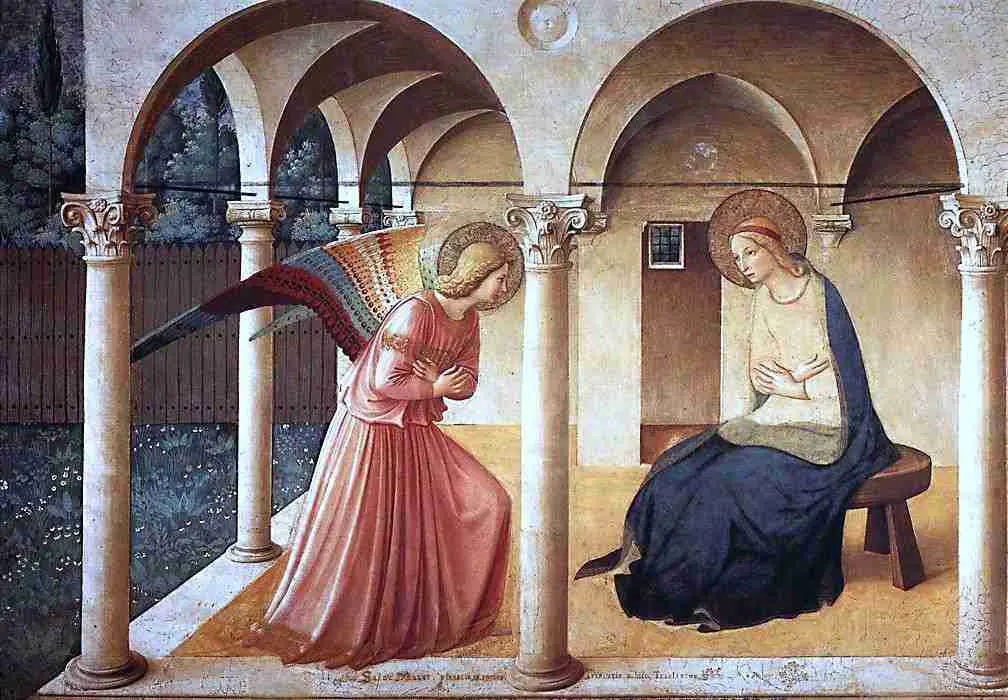
    Fra Angelico’s Annunciation in the Convent of San Marco in Florence

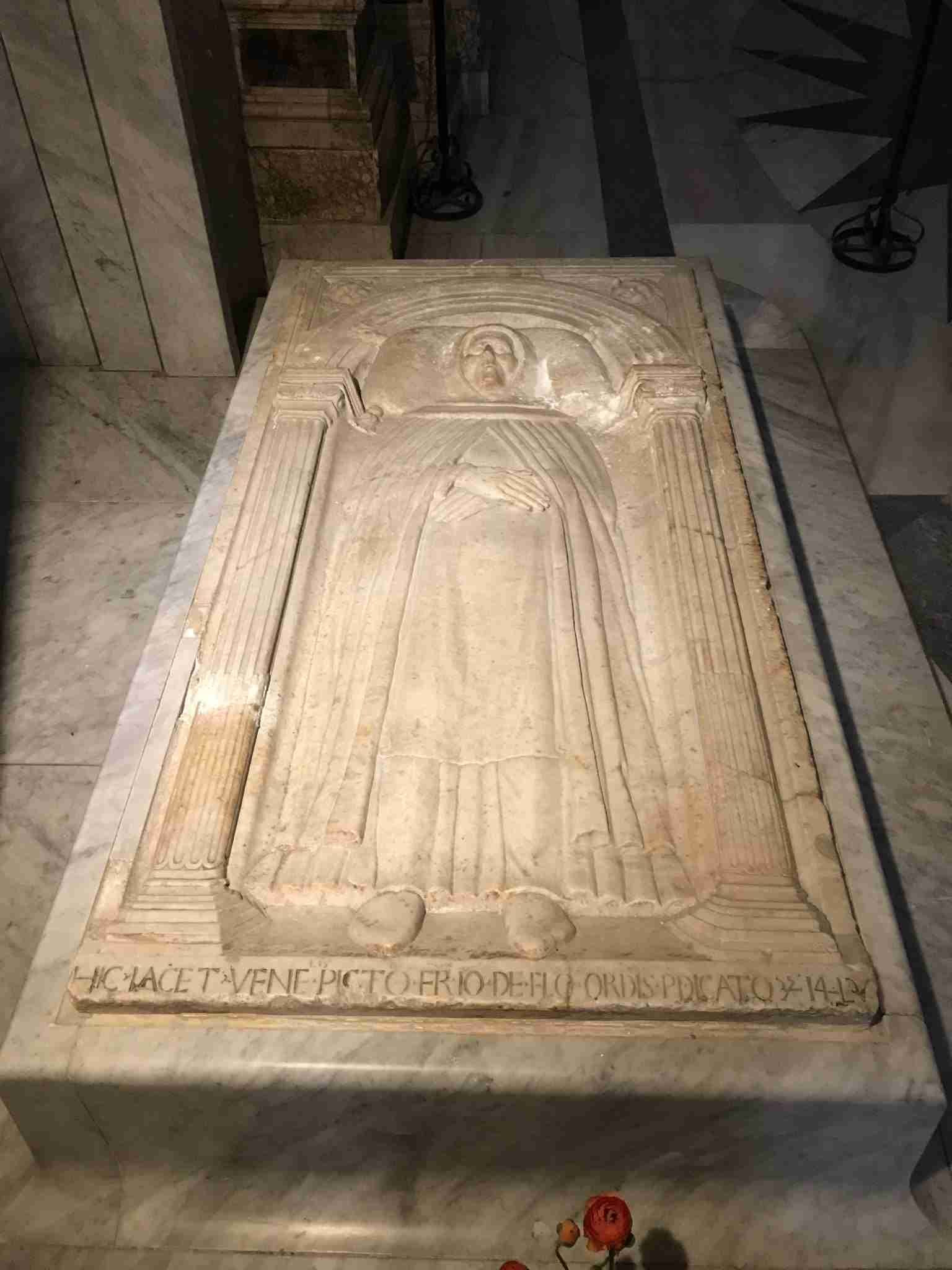
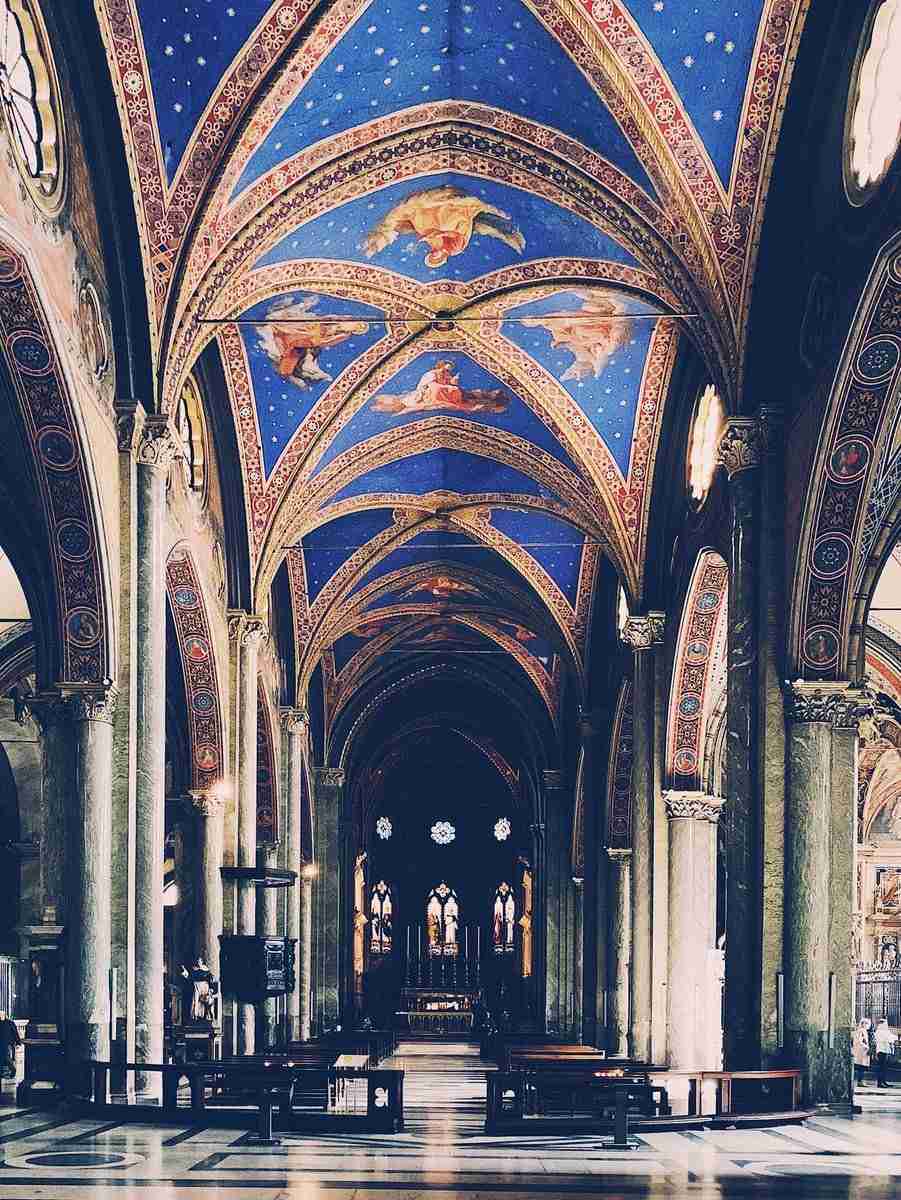
    Fra Angelico, also known as Beato Angelico, is best known for his frescoes on the walls of the convent of San Marco in Florence. This includes “The Annunciation,” painted between 1440 and 1445. Like Michelangelo, Fra Angelico was commissioned to create religious art for the Vatican, including the frescoes of the Niccoline Chapel (one of my favorite places for art in Rome). Angelico died while working on a project for Pope Nicholas V. So, he was subsequently buried in Rome, in the church of Santa Maria Sopra Minerva.

    Michelangelo, who hardly needs an introduction, died in Rome on February 18, 1564. He never finished his last work of art, the Rondanini Pietà, an abstract-looking sculpture that today is on display at the Castello Sforzesco in Milan. Upon his passing, Michelangelo was sent to Florence to be buried in the Basilica of Santa Croce. Renaissance artist and biographer Giorgio Vasari designed Michelangelo’s tomb.

    Finally, an art historian describes another connection between the two Renaissance masters:

    “Within the cells of San’Marco, Fra Angelico had demonstrated that painterly skill and the artist’s personal interpretation were sufficient to create memorable works of art, without the expensive trappings of blue and gold. In the use of the unadorned fresco technique, the clear bright pastel colors, the careful arrangement of a few significant figures, and the skillful use of expression, motion, and gesture, Michelangelo showed himself to be the artistic descendant of Fra Angelico.”

    Source

    What a strange coincidence that they passed away on the same day.

  • How to Buy a House in Italy: Q&A with Real Estate Expert Nikki Taylor

    How to Buy a House in Italy: Q&A with Real Estate Expert Nikki Taylor

    If you are like me, you spend both waking and sleeping hours dreaming about living in Italy. Of course, as with most dreams, logistics soon get in the way.

    This is where real estate expert Nikki Taylor comes in. Knowing that buying property in Italy is hard but not impossible, Australian expat Taylor has made it her mission to help many of us who struggle with all the details and paperwork of buying a home in Italy.

    Italy Property Consulting

    After working for 6+ years in Italy, first as a marketing assistant with luxury real estate company Engel & Völkers in northern Italy and then as a Business Development Director for a real estate outfit in Puglia, Taylor launched her own company. Italy Property Consulting helps connect international homebuyers with their dream home in Italy.

    In addition to her business, Taylor runs a free, private Facebook group, where she and thousands of other group members share Italian real estate listings and tips, including contact info for mortgage brokers, property managers, and more.

    Win a Turnkey House in Puglia!

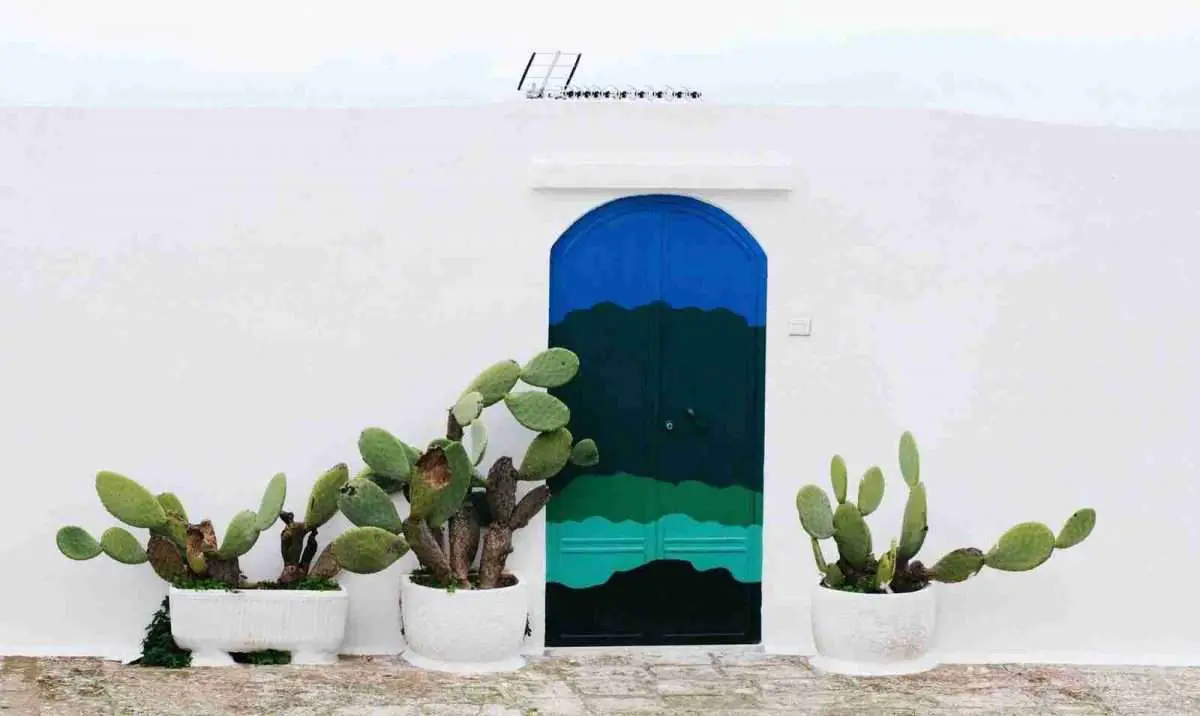
    Italy Property Consulting is currently sponsoring the Love Notes to Italy contest which is giving away a turnkey property in Ostuni, Puglia. Check out the contest and good luck!

    How to buy a house in Italy: Some suggestions on how to: find the best location; assess the property; avoid risks and mistakes; find the right professionals to help you in your search and renovations
    Amazon.com
    How to buy a house in Italy: Some suggestions on how to: find the best location; assess the property; avoid risks and mistakes; find the right professionals…
    Dream of Italy: Travel. Transform. Thrive.: A Companion to the Public Television Special
    Amazon.com
    Dream of Italy: Travel. Transform. Thrive.: A Companion to the Public Television Special

    Interview with Nikki Taylor of Italy Property Consulting

    I recently had the opportunity to speak with Nikki Taylor about the process of buying a home in Italy and she had some very helpful answers. I was especially interested in asking her questions from the point of view of an American homebuyer since the process for non-EU residents is even more difficult and complicated. My lightly-edited Q&A with Taylor is below.

    ITALOFILE: I read that you first began living and working in Italy in 2014. And, I understand you are Australian. So, did you arrive in Italy with a work visa or did that come later? Did Engel & Völkers sponsor your visa? I am always curious how non-EU people are able to get the right to work in Italy as it has always sounded quite difficult.

    NIKKI TAYLOR: It was pretty straightforward for me to live and work in Italy as I have dual citizenship with the UK and I arrived here long before Brexit and obtained my permanent residency. 

    What is the typical timeline for a person who wishes to buy property in Italy? From location selection to move in

    There is no set timeline as such as it could take a while to find a property that you really love and then the closing time does not always depend on how quickly you can close the deal. The sellers might have their own timeline in which to vacate and this all needs to be negotiated at the time of making the offer. I have seen deals close in 6 weeks and others take nearly a year! 

    Your contest is giving away a house in Puglia, which has long been an “up and coming” region for international home buyers/investors. What other areas are up-and-coming areas for international property buyers? Why?

    I really love the Lower Salento part of Puglia. It has not taken off as quickly as Upper Salento, it’s more of a slow burner but there is a lot of potential down there. The properties are absolutely magnificent, full of character and quite a few have these gorgeous internal gardens and spacious roof terraces and the prices are not crazy (yet). The beaches down there are gorgeous. It is definitely growing with interest from international buyers. 

    Do international investors pay attention to the annual “Best Places to Live in Italy” lists from Il Sole 24 and La Sapienza? Do you ever see a ripple effect from these “best” lists?

    I talk about these “Best Places to Live in Italy” lists during my training sessions. But, to be honest, it really does not impact people’s choices so much. People have in their own minds what is their best quality of life, and it does not necessarily need to be on a specific list. Milan was at the top of the list at one stage but living in an extremely bustling chaotic city might not be classified as having the best quality of life in Italy for some. So, it really depends on the individual and their objectives. 

    How effective are these 1 Euro houses at luring people to Italy? Has it helped or hurt your business?

    I have nothing good to say about these properties. It’s a clever marketing scheme and also a money pit. The hidden costs add up plus the amount it would cost you to restore the property you could be spending well over 50k and very unlikely that you would recoup that money if you had to sell it as the properties are located in super quiet towns with next to no tourism. The properties have a lot of restrictions attached,—what you can and can’t do—and most require you to be living in the property and utilize it as your main residence as the aim is to repopulate the towns. So that takes the idea of Airbnb-ing it out of the equation. There are also many restrictions attached with restoration and the timeline for that. So, honestly, I would run away from them. There are plenty of properties for sale in Italy in desirable towns and regions for less than 50k and do not come with the multitude of headaches and bureaucracy that the €1 homes have.

    I have read that property ownership in Italy entitles one to a resident visa. Is this true? If so, how soon can one apply for that visa (After putting a down payment on a house? After full purchase? After move-in?) What is the legal process for purchasing a home in Italy?

    No that is not true. Owning a property does not qualify you to have residency. I am not a visa expert so am not able to answer any visa-related questions. 

    We once tried to get a mortgage in Italy but were turned down because we did not have an Italian bank account. This was strange because we had the assets and could prove it. How do international buyers overcome this hurdle? Do they really have to establish a banking presence in Italy before purchasing property there?

    I have a mortgage broker that I connect my clients with, and most do not have a bank account in Italy. In fact, they set it up once the mortgage has gone through. You do not need a bank account to purchase in Italy.

    (Editor’s Note: The Local Italy just updated its piece How can a non-EU citizen get a mortgage to buy property in Italy?, which provides even more answers.)

    I suppose this question feeds from the last one: how are property taxes assessed and handled?

    I am not an accountant so I cannot give specific advice, but I will say that anything tax-related it pays to speak to a qualified individual. Taxes in Italy can be a minefield and the regulations change regularly, hence always best to seek advice from a qualified professional. 

    What about utilities? What utilities can be expected? Are there any utilities that are required or expected in Italy that may not be required elsewhere?

    There are special utilities like TARI/IMU which are in relation to waste disposal and annual property taxes. If you buy a property in a condominium there will be a monthly condominium fee plus the usual utilities like water, gas, electricity, and internet. 

    The same question but with insurance. Almost all of Italy is earthquake-prone, so is earthquake insurance required on top of other home insurance?

    There is not such a thing as bespoke earthquake insurance however I am not an insurance specialist. 

    What’s the best way to search for property in Italy? Real estate websites? Are there English-language listings for Italian properties?

    Ideally, all of the people reading this interview will go to you for their Italian real estate needs. But let’s say you can’t take on any more clients—what should a foreigner who wants to buy property in Italy look for in a real estate agent? Is there a formula for finding a reputable one?

    There is no such formula. Unfortunately, there are many estate agents who do not practice in an ethical manner. I have met a fair share in my time in the industry and have come across some really lovely agents who put their clients first and don’t just think of the sale. But there is no specific formula. If anyone reading this interview is looking to purchase property, they are welcome to contact me: nikki@italy-propertyconsulting.com or join my free Facebook group: https://www.facebook.com/groups/howtoconfidentlybuypropertyinitalyliveladolcevita

    How can a foreign buyer evaluate the value and pricing of real estate in Italy?

    The property portal Immobiliare has a section where it details the average price per square metre in the different regions.

    Is now a good time for foreigners (particularly Americans) to buy property in Italy? Why or why not?

    Now is a great time to purchase property in Italy! Usually, the wintertime before the summer season starts is the best time. When it gets warmer, and tourists come on holidays and buying trips, the prices tend to rise. 

    Can I enter your Ostuni contest now that I have interviewed you? I really want to live in Puglia!

    Yes sure, the competition is not being judged by me but by an independent panel of judges from NIAF. Best of luck to you for your entry note! 

    Photo byål nik on Unsplash

  • Paolo Sorrentino’s Naples: The People and Places of “The Hand of God”

    Paolo Sorrentino’s Naples: The People and Places of “The Hand of God”

    Paolo Sorrentino’s “The Hand of God” (È Stata La Mano di Dio) is a beautiful, eloquent, and heartbreaking film showcasing the best, the bizarre, and the everyday aspects of life in Naples. It is also largely autobiographical, featuring a real tragedy from Sorrentino’s life.

    The movie is told from the perspective of Fabio (called by the diminutive Fabietto) Schisa, the teenage version of Paolo Sorrentino. Filippo Scotti, who delivers an incredible performance full of nuance and emotion, took home the Marcello Mastroianni award for best performance by an emerging actor or actress from the Venice Film Festival. Surrounding him is an equally well-cast group of actors, including Sorrentino favorite Toni Servillo, who plays Fabietto’s father Saverio.

    As an admirer of Sorrentino and Naples, I was keen to understand the director’s roots. This included the locations, events, and cultural touchstones that he chose to include in his so-called Amarcord. So, during and after my second watch, I took notes and did some research. Here are some of the things I learned.

    Note: This post contains spoilers!

    green trees near body of water during daytime
    Photo by Francesco Baerhard on Unsplash

    Locations in “The Hand of God”

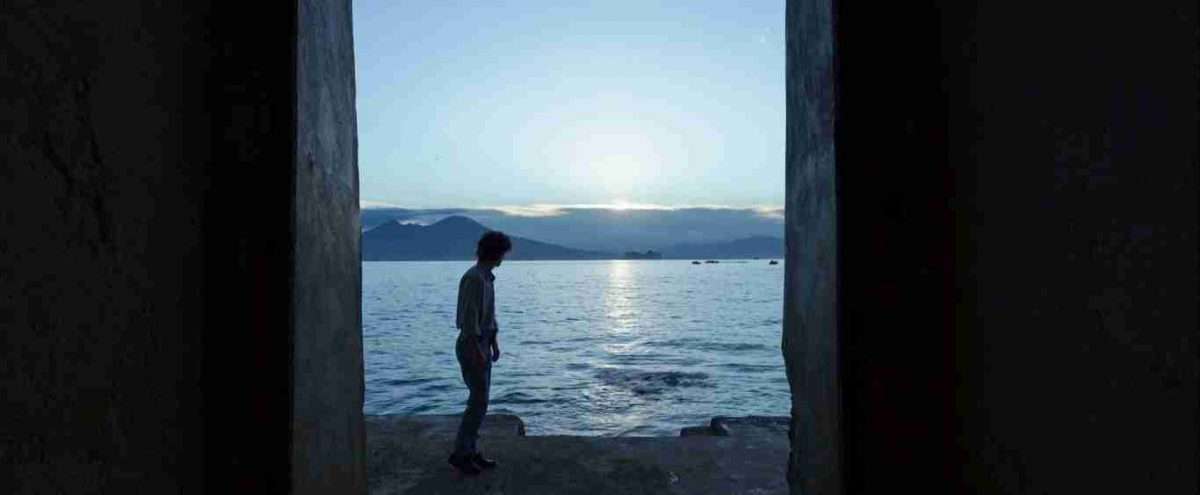
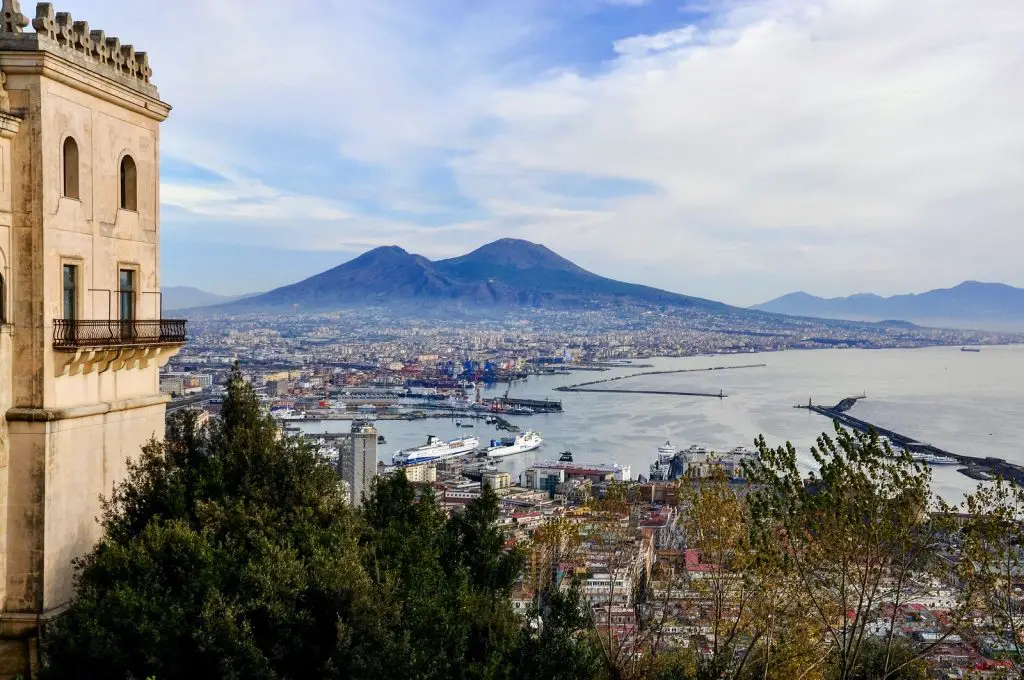
    The city of Naples, including its bay and islands, is the main protagonist. This is made clear by the opening scene, which approaches the expansive city from its bay.

    “It is the only scene in which Sorrentino allows himself the luxury or whim that binds him to his photographic and imaginative grandeur, together with the opening credits that precede it, superimposed on a Naples seen from its sea, not that of the landings of the commuters of the islands but that of the fishing boats of the city that was, today a heritage of tourists and bored citizens who try to escape the heat of the bowels admiring, among the light waves, Capo Posillipo, Mergellina and the Riviera di Chiaia, via Partenope, Santa Lucia and the tuffaceous miracle of Castel dell’Ovo.”

    Lo sguardo impossibile | Chi fugge e chi resta nella Napoli di Sorrentino | L’Indiependente

    Piazza del Plebiscito. The main piazza of Naples, Piazza del Plebiscito was still open to cars in the 1980s. This is where Zia Patrizia, played unflinchingly by Luisa Ranieri, encounters San Gennaro as she waits for a bus.

    Vomero. This is where the real Paolo Sorrentino grew up. In fact, the film was shot in the very apartment building on Vomero Hill (Via San Domenico) where Sorrentino lived with his family. (If you’ve read Elena Ferrante, you’ll know that the Vomero is the tonier part of Naples, high on a hill above the noise and chaos.)

    Galleria Umberto I. This late-19th century covered shopping gallery, which at a glance looks like Milan’s famous Galleria Vittorio Emanuele II, is a landmark on most first-time tours of Naples, In the film, Galleria Umberto I is where Fabietto encounters the director Antonio Capuano. It’s also the scene of a theatrical, Felliniesque moment.

    Villa Giusso, backdrop for the big family scene in The Hand of God

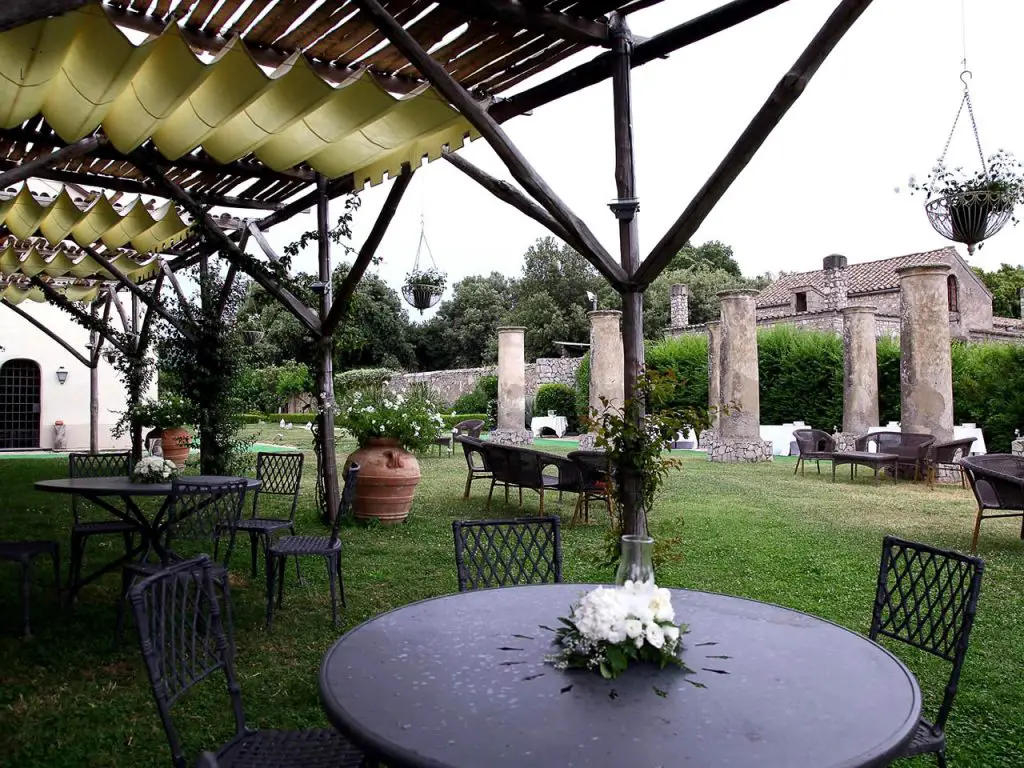
    Masseria Astapiana Villa Giusso (website | reviews). The charming, and sometimes awkward, family scenes at the beginning of The Hand of God were filmed at Villa Giusso, an agriturismo/manor house overlooking the Sorrentine Peninsula.

    Massa Lubrense. It is here, in these clear waters of the Crapolla Cove on the Amalfi Coast, where the family swam and where Aunt Patrizia sunbathed. (Indeed, this is the same area as the hotel with the delectable zucchini pasta and the biblical rainstorm in Stanley Tucci’s Searching for Italy Season 1.)

    Stadio San Paolo. The swimming scene in Massa Lubrense is broken up by a boat chase between the Guardia di Finanza and a cigarette smuggler named Armando. After a match at Stadio San Paolo Fabietto recognizes Armando, played with such nuance by Biagio Manna, and befriends him. Stadio San Paolo was renamed Stadio Diego Maradona after the death of the football star in 2020.

    Capri. Later in the film, we see Armando invite Fabietto to go on a late-night boat ride to check out the nightlife in Capri. In one of the more humorous moments of “The Hand of God,” we see the two of them sitting in an empty Piazzetta. “We should have gone to Ischia,” Armando says.

    Roccaraso (Abruzzo). Roccaraso, in the region of Abruzzo, is a mountain village about two hours north of Naples known for its good skiing and honest food. In the early scenes of the film, we see the Schisa parents discussing their dream country house in Roccaraso. Sadly, this is where the film’s central tragedy strikes.

    Stromboli. Fabietto and his brother Marchino, played by Marlon Joubert, escape to the Aeolian island of Stromboli to figure out their next steps in life. Stromboli, home of the still-active volcano Mount Stromboli, is accessible by ferry from Naples.

    La Piscina Mirabilis. This ancient Roman cistern in the heart of the Phlegrean Fields inspired artists and travelers for centuries, particularly during the days of the Grand Tour. La Piscina Mirabilis is where Fabietto also begins to find his inspiration, thanks to a pivotal scene with Director Antonio Capuano.

    Formia. The yellow train station at the end of the film is the station in Formia. This small town is located about halfway between Naples and Rome and is accessible if you take the Regionale (slow) train between the two cities.

    man in blue and white crew neck t-shirt standing on the street
    Photo by Alberto Barbarisi on Unsplash

    People in “The Hand of God”

    Diego Maradona. Anyone who knows soccer knows the name of Diego Armando Maradona and his importance to the city of Naples. The title of the film—È Stata La Mano di Dio, (It Was) The Hand of God—references Maradona’s controversial point scored for Argentina in the quarter-finals match against England in the 1986 World Cup. Maradona actually tried to sue Sorrentino and Netflix when the film began production (as if the former soccer star had a license to miracles). Maradona passed away in November 2020 and a judge threw out the “hand of god” case. By the way, we barely see any image of Maradona in the film—only his spirit, which is the point.

    San Gennaro and O’ Munaciello. San Gennaro (Saint Januarius), Naples’ patron saint, and “o’ munaciello,” the little monk, are important to Neapolitan folklore. So it’s no surprise that the pair appear in the opening scenes, like a surreal dream to Aunt Patrizia.

    According to tradition, the munaciello appears to people who have had a lot of bad luck and need something positive. During the night, the munaciello would ask people to follow him and only those who had the courage to do so would be given treasure chests and fortunes, including money.

    The story of ‘O Munaciello: the spirit of charity in Naples

    O’ Munaciello also makes an appearance at the end of the film on the platform at Formia station.

    Renato Guttuso. In one scene, Saverio Schisa, father of Fabietto, mentions the painter Renato Guttuso: “È uno di noi.” Saverio prides himself on being a communist and of his southern Italian roots. Renato Guttuso’s paintings, which focused on anti-fascist themes and the painter’s native Sicily, reflect that pride.

    Federico Fellini. Paolo Sorrentino is often compared to fellow Italian director Federico Fellini. Like Fellini, Sorrentino employs in his films a “hallucinatory blend of everyday observations and extravagant spectacle.” Sorrentino’s “The Great Beauty” is Dolce Vita 2.0, while “Hand of God” is being called his “Amarcord” (a reference to Fellini’s semi-autobiographical set in his native city of Rimini). Fellini “appears” in this film as he searches for actors in Naples:

    Sorrentino: I tried to be very careful not to make a movie like Amarcord, which is a masterpiece and cannot be imitated. The anecdote of my brother going to a Fellini audition is factual. It truly happened. Fellini is a filmmaker I greatly admire, who had a huge influence on me, and I’m indebted to him. So it is possible that it may have entered into my movie through the backdoor without me even realizing that. But I did deliberately try to do my best not to imitate him, even though I might not have succeeded in that.

    Paolo Sorrentino & Filippo Scotti on Federico Fellini, Diego Maradona, and the Therapeutic Journey of The Hand of God

    Antonio Capuano. A pivotal scene in “The Hand of God” is between Fabietto and director Antonio Capuano. Sorrentino has said that Capuano is, among Maradona and Fellini, one of his “divinities.” And we see in “The Hand of God” that the Neapolitan director serves as both a mentor and a father figure to a young Fabietto who is trying to find his way as both a filmmaker and as a young man.

    Other Cultural References

    Once Upon a Time in America. Known as “C’era una Volta in America,” this gangster classic by Italian director Sergio Leone is mentioned several times in the film. In the mid-1980s, when “Hand of God” is set, Leone’s film was considered one of the best contemporary Italian films and it also provided foreshadowing into Fabietto’s growing interest in cinema and a directing career.

    Canederli. Known as Knödel in their native Südtirol (Trentino-Alto Adige), Canederli are delicious bread dumplings that look a little bit like meatballs. We see canederli twice in “The Hand of God”—as forbidden food when the Schisa’s are getting yelled at by their northern neighbors after a prank is discovered and near the end when the same neighbor offers them to Fabietto. Though there are other food moments in the film—the grandmother eating a whole ball of mozzarella, the kickbacks of watermelon—the canederli serve to show Fabio’s transition from childhood to adulthood. Here’s a Pasta Grannies video on making canederli.

    The Walkman. Fabietto’s Walkman is basically Chekhov’s gun. Fabietto is never without his portable cassette player and headphones, but we never actually hear him listen to music on it until the very end. We learn that the Walkman is necessary. It allows Fabietto to escape mentally into the world of art and nostalgia, a necessity for him to begin making films. Of course, he listens to:

    Napule é. This is the quintessential song of Naples, a soulful poem about the city by another son of Napoli—Pino Daniele. The song carries Fabietto out of Naples and towards his future while carrying us out of the film with a touch of sadness and hope.

    Watch “The Hand of God” on Netflix